
Hello! Do you enjoy the delicious season of kanzake (warm sake) in winter? In the previous article, we introduced about sake wholesalers in Edo. In this article, we will introduce authorized dealers who played a key role in expanding the sake sales channels of Nada’s sake nationwide in modern times.
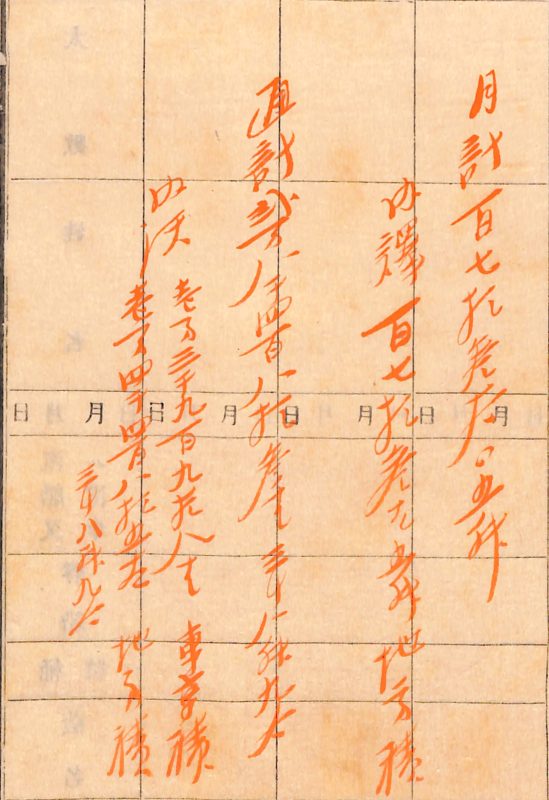
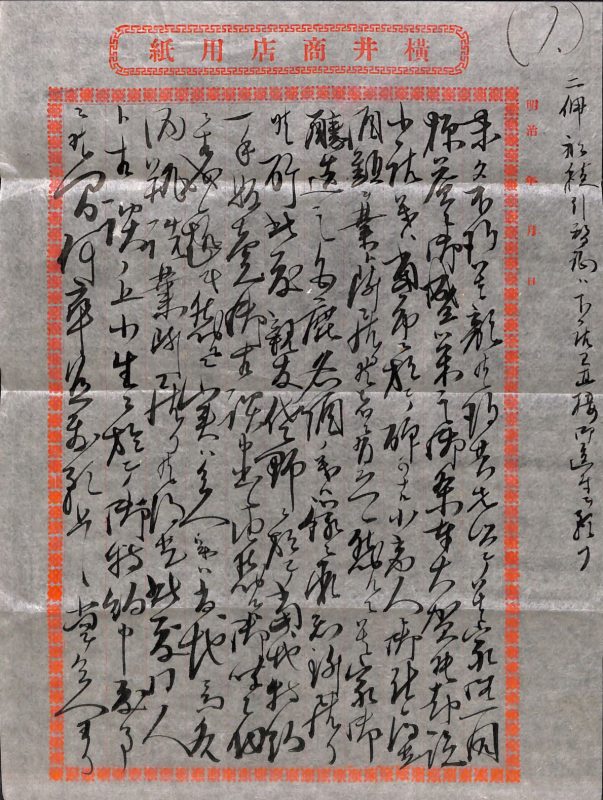
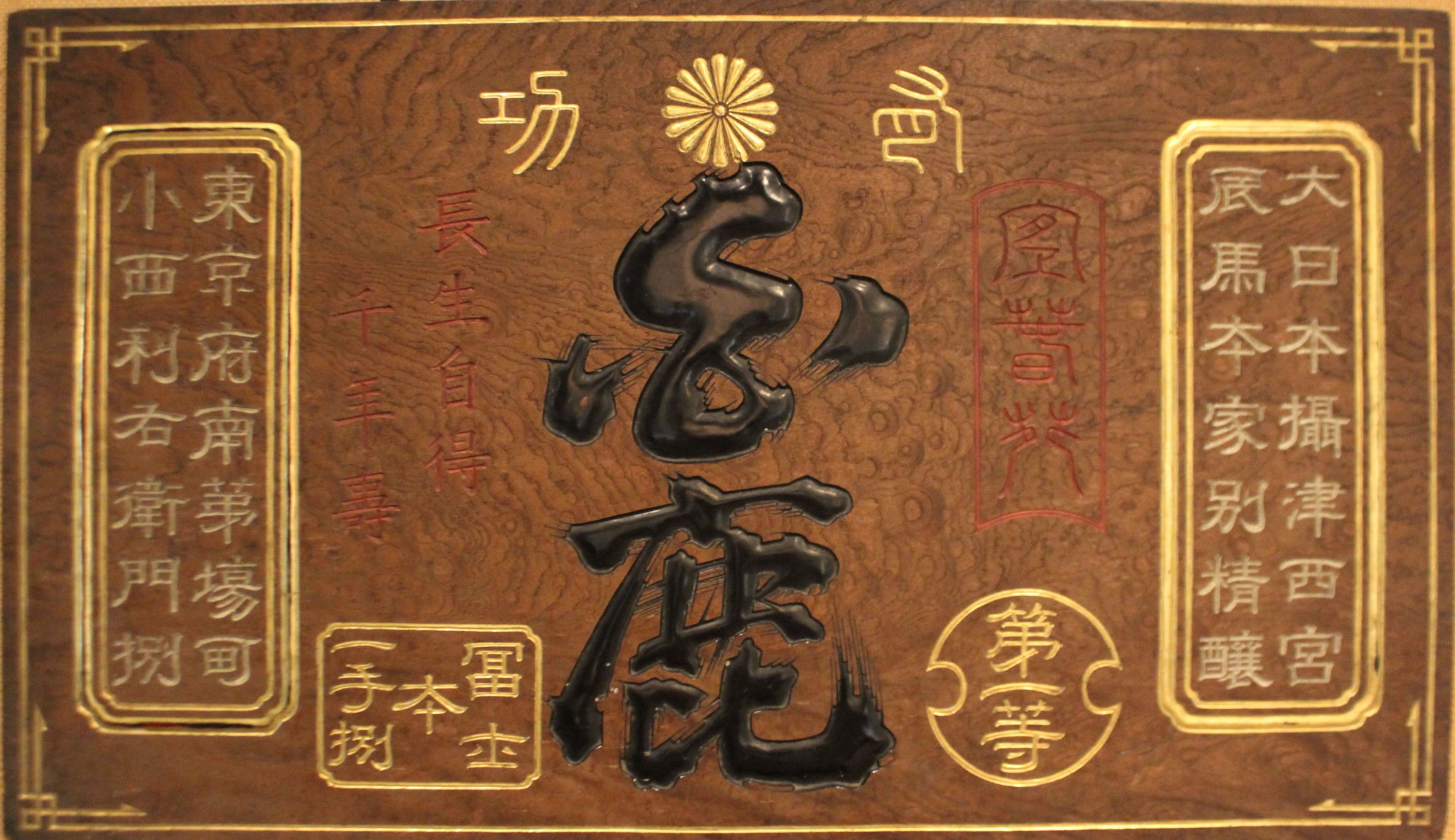
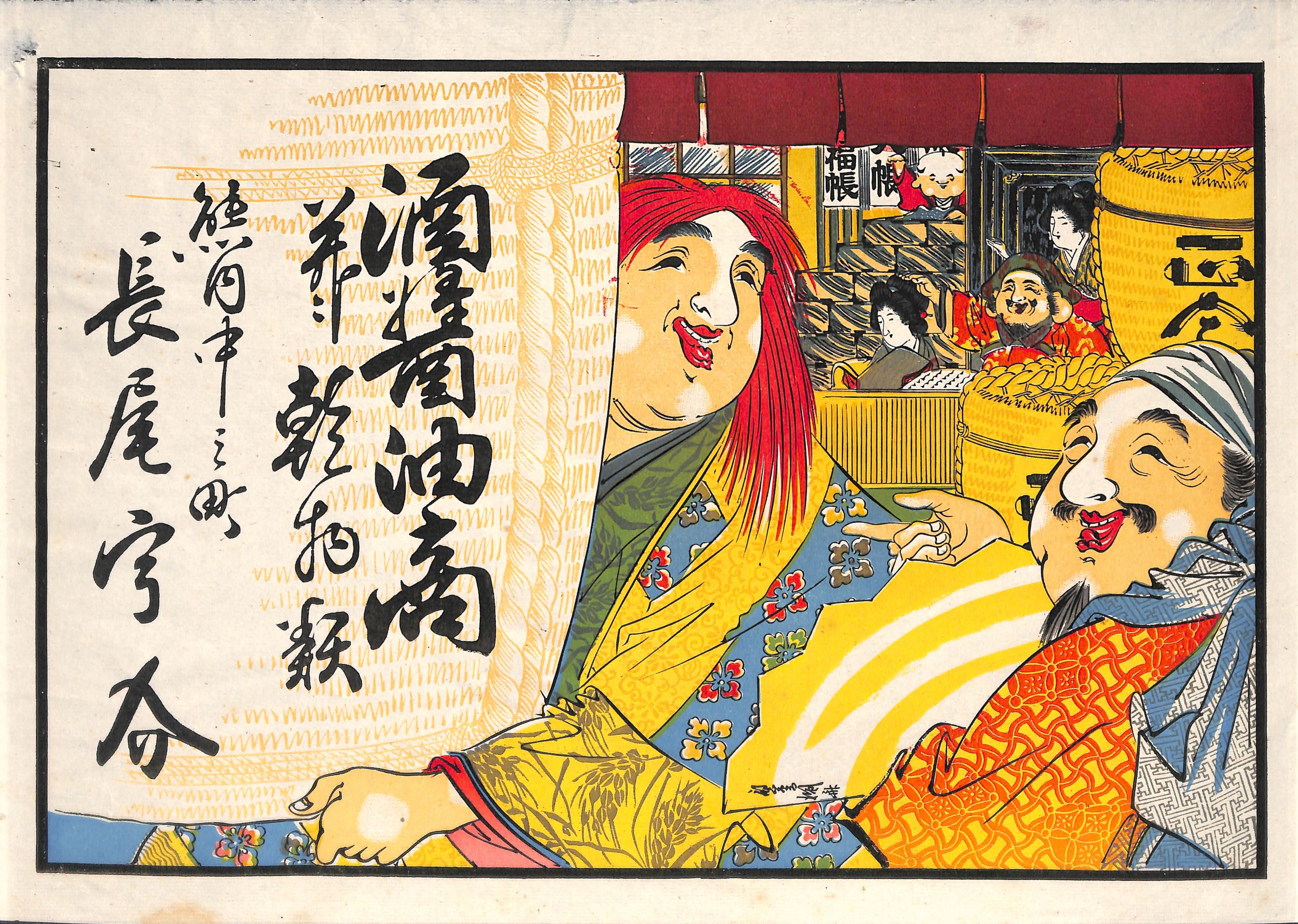
Authorized dealers are stores that has entered into a contract with wholesalers to sell sake under favorable terms, with the aim of promoting sales in that region by sake brewing companies. Since the Meiji Period (1868-1912), Tatsuuma-Honke Brewing, which is known for the sake brand Hakushika, had expanded their business increasing the number of such authorized dealers nationwide. Looking at the sales figures in 1901, the number of sake casks for Tokyo were about 28,000 and those for another region were about 29,000. Since this year, shipments to regional areas exceed those to Tokyo. In 1928, the number of authorized dealers nationwide had reached 97.
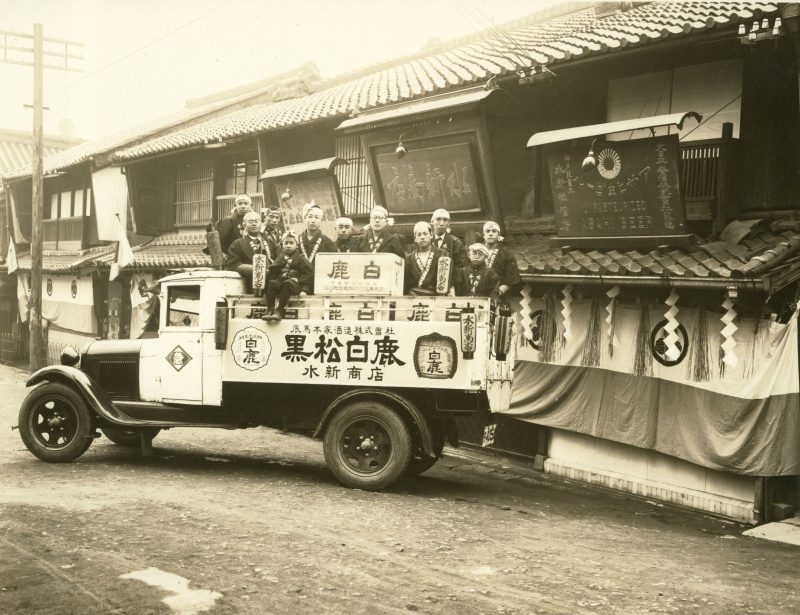
Let’s see a historical document: this letter shows the scene at the start of the dealership agreement with Yokoi Yokichi in Ōmachi, who ran a sake retail store in Aomori Prefecture (present-day Hirosaki City), one of the 97 authorized dealers. Initially, Sano presented himself for the exclusive dealership agreement. However, since Sano primarily focused on bottling operations, Yokoi, his close friend, subsequently took it upon himself to become the sole distributor for Hakushika in Aomori. Then, Yokoi requested Tatsuuma-Honke Brewing to send 20 sake casks and as a first order, enclosing a money order for the payment of 256 yen and requesting the return of the special sales agreement. This letter clearly shows his strong desire to establish a special dealership contract with Hakushika. It is thought that cases like Yokoi’s accumulated, leading to the expansion of the sales network from Tokyo to regional areas during the early Showa period (1926-1989). Furthermore, it has been confirmed that this business relationship with Yokoi continued until 1932.
The Second World War brought significant changes to these longstanding relationships with authorized dealers since the Meiji period. During the war, the need to secure food supplies led to restrictions on the production of rice-based alcoholic beverages. Consequently, the government imposed fixed prices and rationing systems to curb soaring prices. Sake breweries were then required to deliver all their produced sake to national or prefectural sake sales companies, forcing them to dissolve their previous relationships with authorized dealers. After the war, the sales companies were dissolved, and the industry returned to free trade. However, it was rare for pre-war business partners to be reinstated. Current employees have little knowledge of these former business relationships.
In the Sake Reference Room, we introduce the history of sake sales through the winter exhibition introduces until March 5, so please take opportunity to visit us. We look forward to seeing you again next month!
-scaled.jpg)
It’s important to be known.