
Hello! There’s only one month left this year. Sake brewing season has coming, so let us introduce you to sake-making songs that once had echoed in sake breweries.
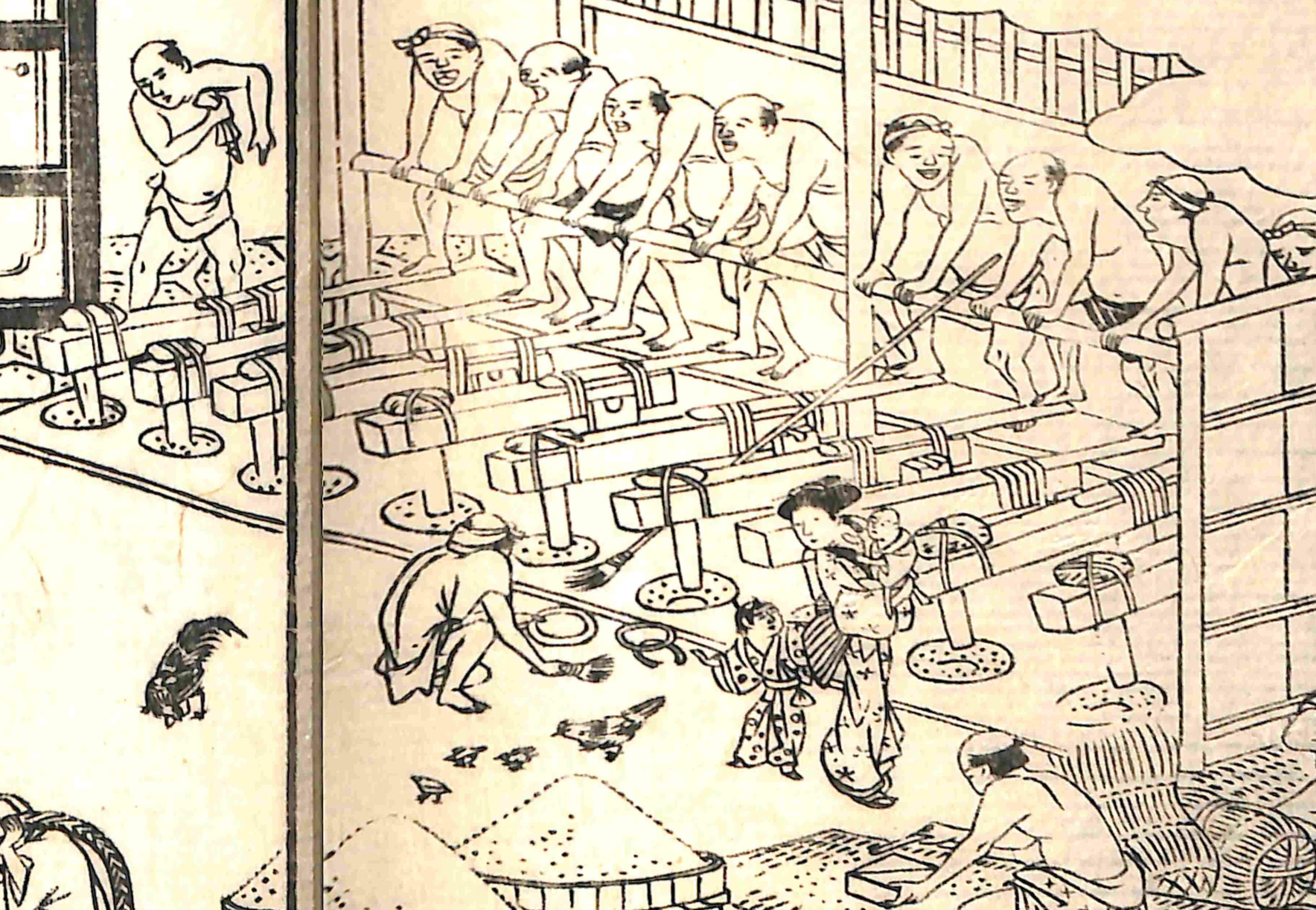
Sake-making songs are songs sung by Tōji and craftsmen during the sake brewing process. In Nishinomiya, sounds by repairing wooden vats were started to hear since around October, and when Tamba Tōji arrived in November, the sound of the “Aki-arai uta” as they maintained wooden tools became a seasonal tradition.

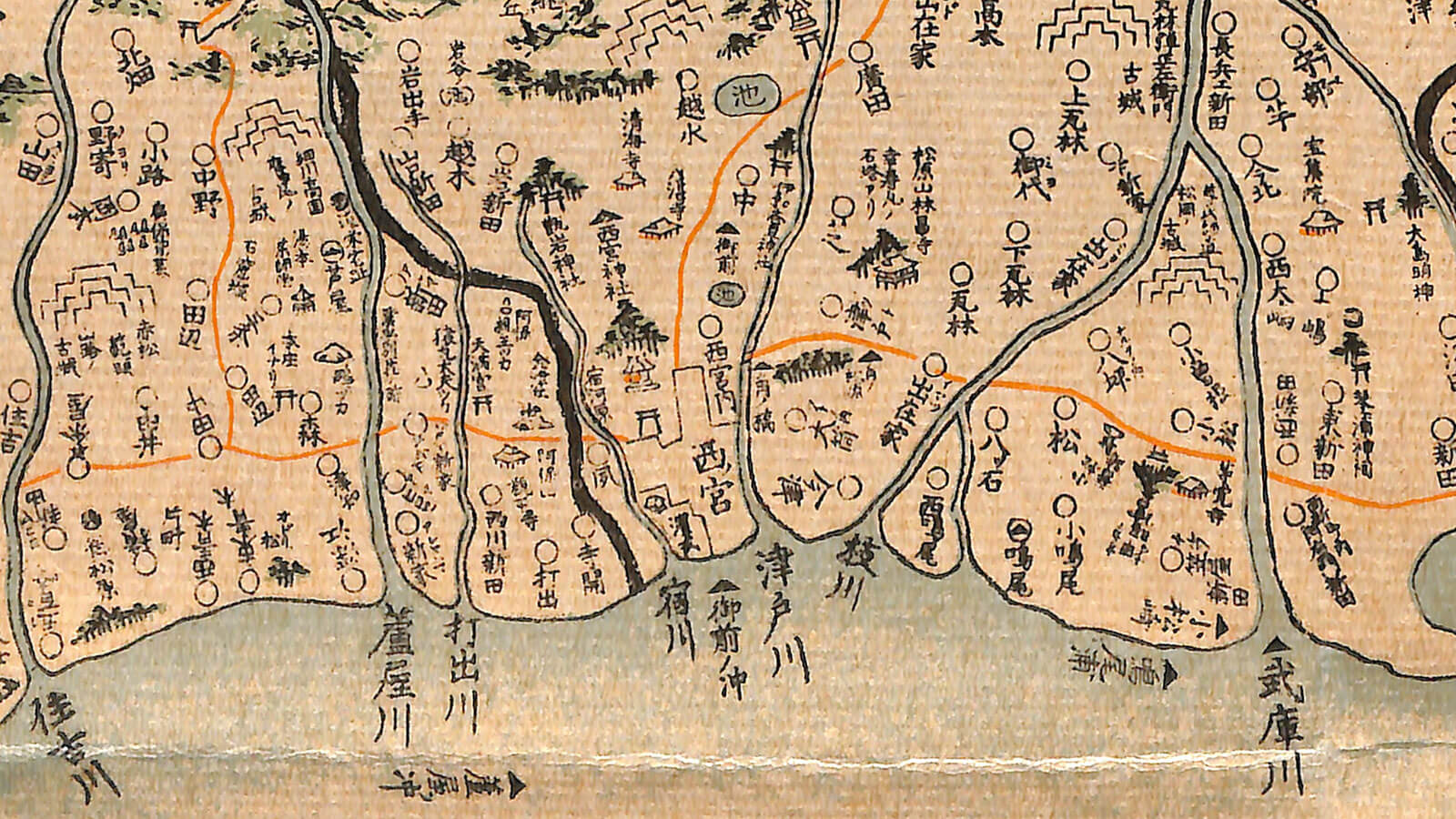
There are several types of Tamba Tōji’s sake-making song such as the “Aki-arai uta” sung while cleaning sake brewing tools, the “Yamaoroshi uta” and “Moto-kaki uta” sung during the grinding process of mashing rice to make starter culture and the “Furo-agari uta,” “Sanbongai,” and “Shimai uta” from the mash fermentation stage. In these sake-making songs, place names familiar to the craftsmen are in the lyrics. For example, “Shimai uta” includes place names like “Arima” and “Ōtada Riverbank” in its lyrics, which are locations passed through when traveling from Tamba toward the Nada region.
-1-800x745.jpg)
Then, why have these sake-making songs been sung? It is said that there are several reasons: to work craftsmen in unison and to regulate the pace of the sake brewing process. For example, “Sanbongai” sung during the mash fermentation stage described the journey home from Ise, passing through Matsusaka in Ise Province and Nara on the way back to Sumiyoshi in Osaka. It is said that if the mash condition required shortening the work, the destination might sometimes be Nara instead of Osaka. Additionally, the tempo of each song differed. The “Furo-agari uta,” is sung during the work performed in the evening of the first day of the mash-making process, after the craftsmen have finished their meal and taken a bath. Since the mash is still firm at this stage, the song has a slow tempo. On the other hand, the “Sanbongai” is sung after the “Furo-agari uta.” By this point, the mash has softened and is easier to stir with paddles, so it is a faster-tempo song. You can hear these songs at the Sakagura-kan of the Sake Museum, so please visit us.

In this article, we introduced about sake-making songs. In this year’s conference of Japanese Society for the History of Brewing, Echizen, Tamba and Echigo region’s sake-making songs were performed. Songs with regional variations in lyrics were performed, making for a truly fascinating time. Please looking forward to seeing you next year!
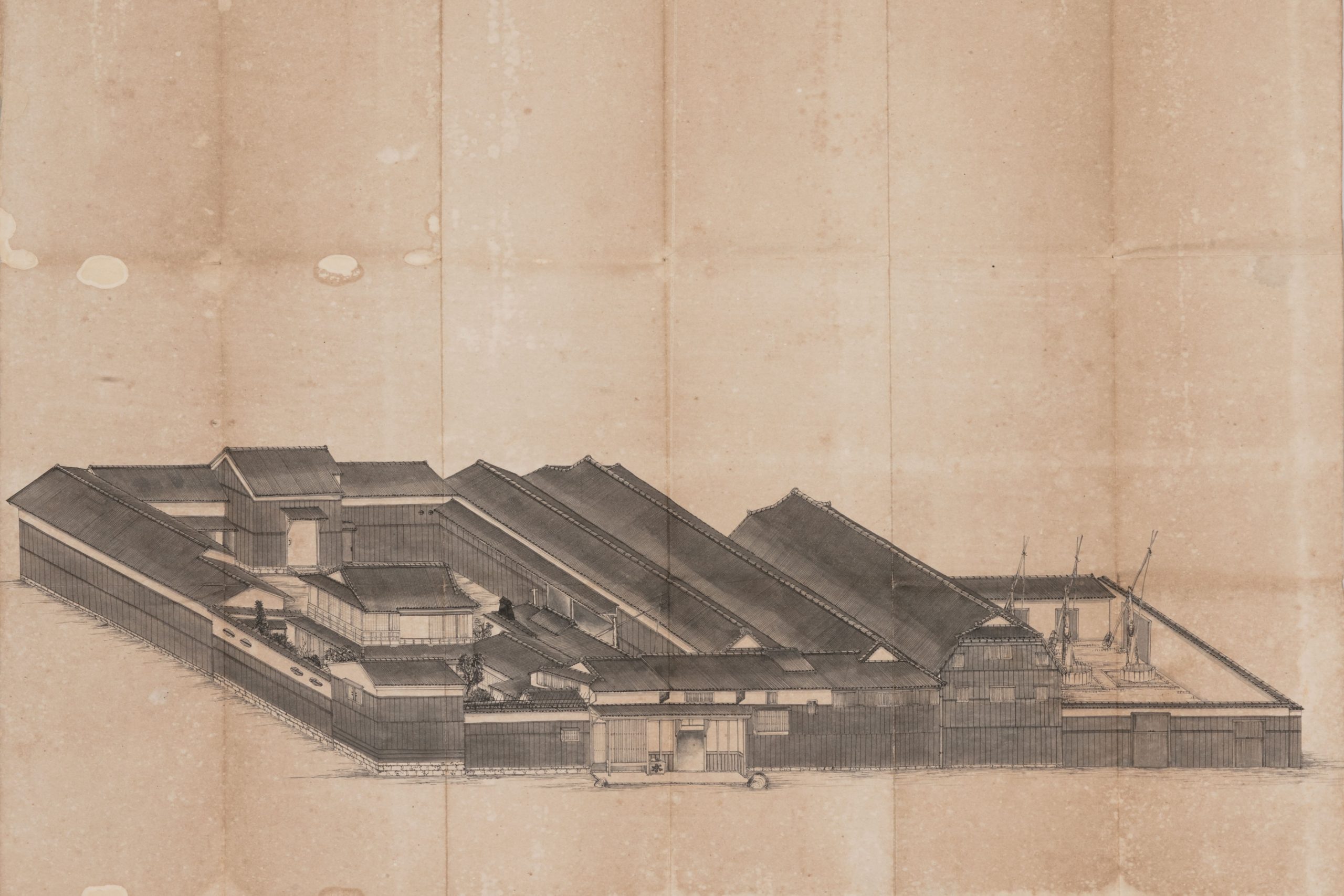


I’ve never seen such exquisitely depicted architectural drawings of sake brewery buildings!